Best carry-on luggage: how to actually choose one
Updated September 2026
Quick answer
A criteria-based guide to picking carry-on luggage — size, weight, material, and wheels — plus a free tool to check your bag against airline limits.
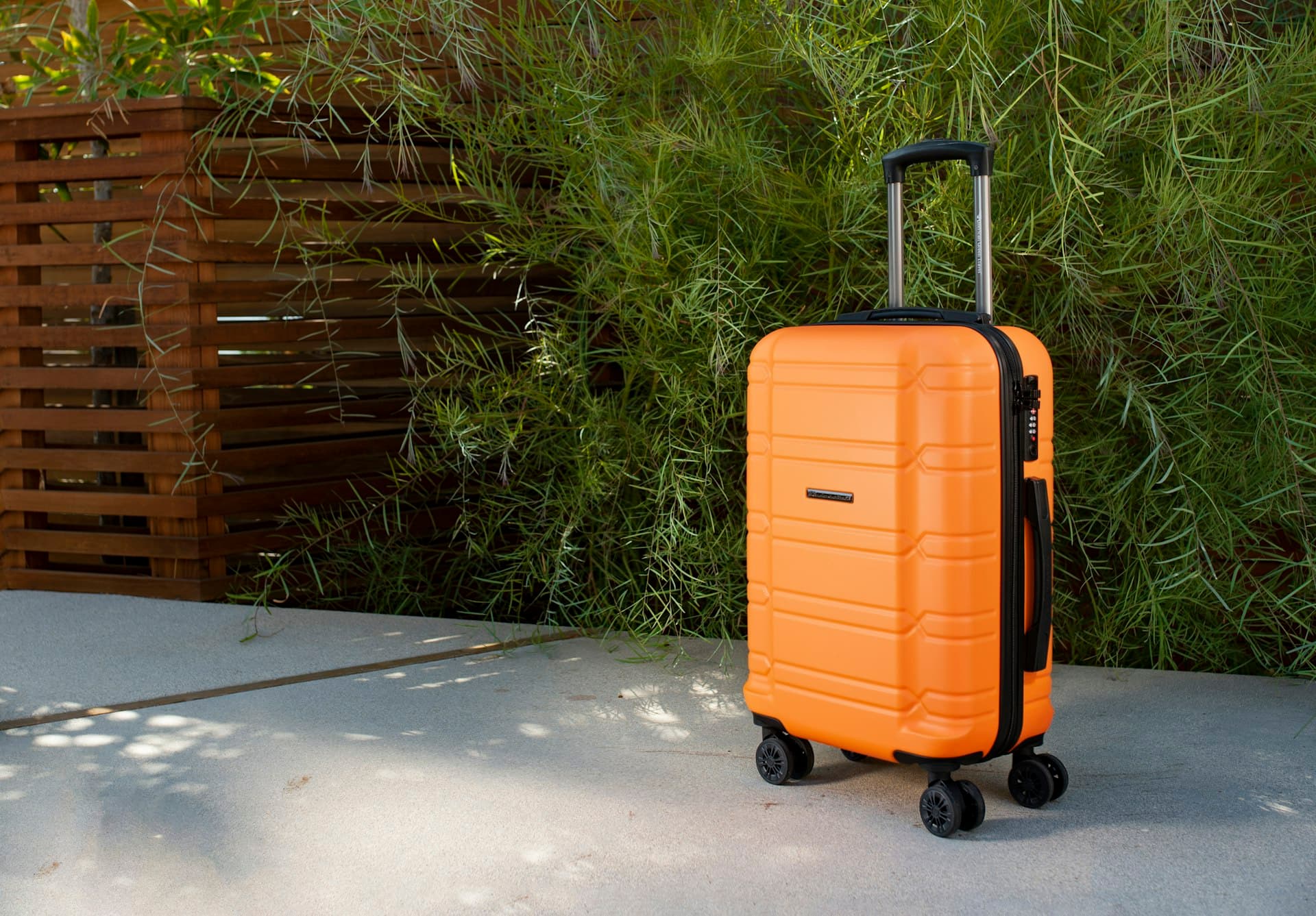
Most "best carry-on" lists are ranked opinion, not criteria. This guide flips that: here's what actually determines whether a carry-on works for you, in order of how often it causes problems at the gate.
1. Size — and why it's not one number
There is no universal carry-on size. US majors (United, Delta, American, JetBlue, Alaska) generally allow up to 22 x 14 x 9 in (56 x 35 x 23 cm). Budget European carriers are stricter for the free allowance — Ryanair's paid Priority bag tops out at 55 x 40 x 20 cm, and its free personal item is smaller still. Gulf carriers like Emirates and Qatar Airways cap cabin bags at just 7 kg, regardless of how well it fits the sizer. If you fly multiple airlines, buy for the strictest one you use regularly — not the most generous.
Use our carry-on checker to test a specific bag's dimensions and weight against 53 major airlines at once, rather than looking each one up manually.
2. Empty weight of the bag itself
On weight-limited airlines (most of Europe, the Middle East, and Asia — unlike the US, which rarely weighs cabin bags), the suitcase's own empty weight eats into your allowance before you've packed a single shirt. A hardside spinner can weigh anywhere from roughly 2.5 kg to over 4.5 kg empty. If you're flying Lufthansa (8 kg limit) or Emirates (7 kg), a 4 kg bag leaves you only 3–4 kg for everything you own on the trip. Check the empty weight before you check the size.
3. Hardside vs. softside
Hardside (polycarbonate or ABS shell) protects contents from crushing and is easier to wipe clean, but has fixed internal volume — what you see is what you get. Softside bags (usually nylon or polyester) flex to squeeze into tight overhead bins and typically have more exterior organization pockets, but offer less protection for anything fragile and can look worn faster.
There isn't a universally "better" choice — see our Samsonite vs Delsey comparison for how two major brands approach this differently across their carry-on lines.
4. Wheels: spinner vs. inline (rollerblade)
Four-wheel spinners roll in any direction and are easier to maneuver one-handed through crowded terminals. Two-wheel inline bags are typically more durable (fewer moving parts to break) and easier to control on slopes or uneven ground, but require you to tilt and drag them. Most modern carry-ons are spinners; inline wheels are now mostly found on rugged/outdoor-oriented luggage.
5. Expandability
An expandable zipper adds roughly 2–5 cm of depth when unzipped — useful for the trip home when you've acquired souvenirs, but be aware that expanding the bag can push it over an airline's size limit. If you plan to fly with it expanded, measure it in that state, not collapsed.
6. Laptop/tech access
If you travel with a laptop, a carry-on with a dedicated front-loading laptop compartment (or a slim secondary bag that fits under the seat) saves you from repacking at security. Not all carry-ons have this — it's worth checking before you buy if you fly for work.
Where to start looking on Amazon
A budget hardside pick with 4 spinner wheels — a reasonable starting point if you just need something durable that meets most size limits.
One of the lightest carry-ons you can buy, which matters most on weight-limited international carriers — see point 2 above.
As an Amazon Associate we earn from qualifying purchases. These links go straight to the specific product on Amazon.
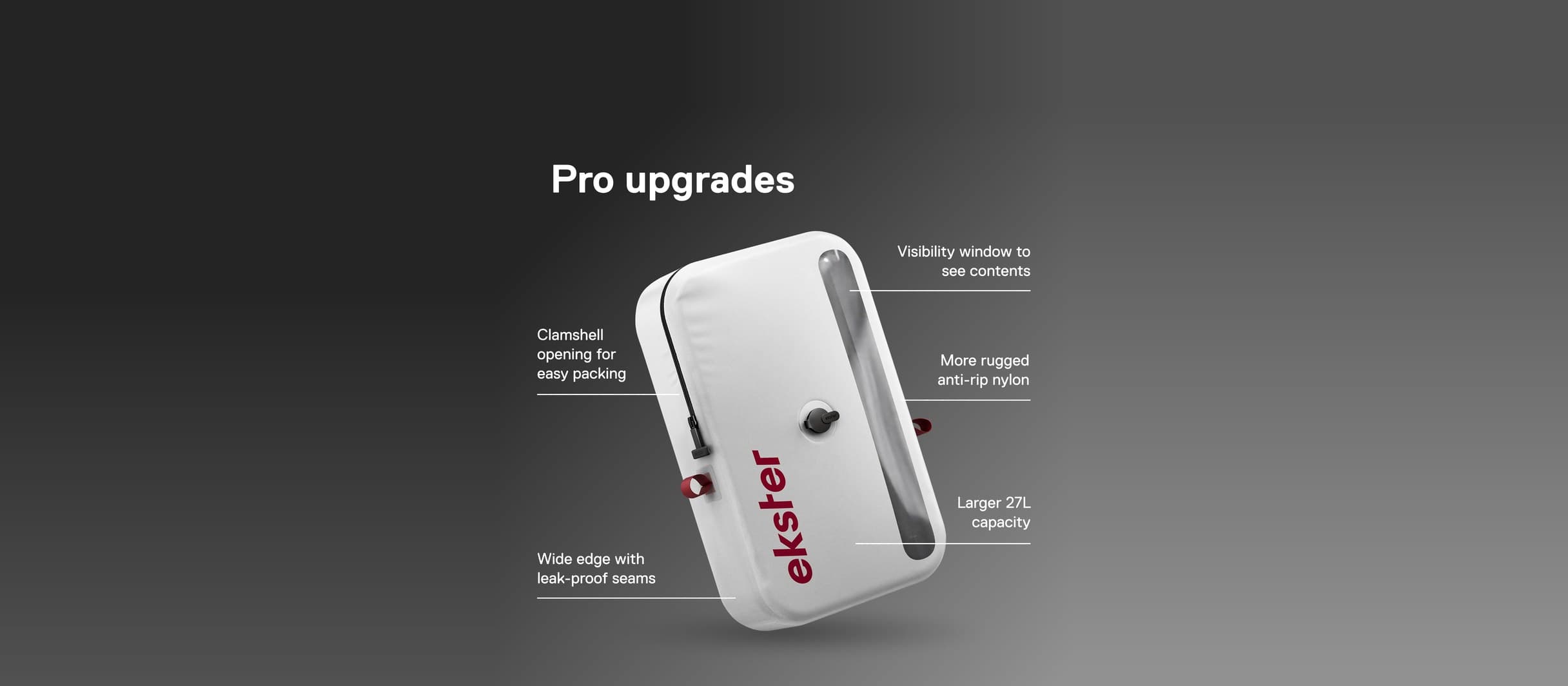
If most of what you pack is clothing rather than rigid gear, a compression kit can also buy you real extra room without a bigger bag — see our TravelPack Vacuum Kit Pro review for where that actually helps and where it doesn't.
The bottom line
Pick your size and weight ceiling based on the strictest airline you actually fly, not the most generous one. Everything else — hardside vs. softside, spinner vs. inline, expandable or not — is a preference question with no universally right answer.
Frequently asked questions
What is the standard carry-on size limit?
Most US airlines (United, Delta, American, JetBlue, Alaska) cap carry-ons at around 22 x 14 x 9 inches (56 x 35 x 23 cm). European and low-cost carriers vary more — some allow larger bags, others (like Ryanair's free allowance) are much smaller. There is no single global standard, which is why checking your specific airline matters.
Should I buy a hardside or softside carry-on?
Hardside (polycarbonate or ABS) protects contents better and resists crushing in an overhead bin, but has fixed capacity. Softside bags flex to fit tight spaces and often have more exterior pockets, but offer less protection for fragile items.
Sources
- Upgraded Points — 2026 Carry-on Luggage Size Chart for 64 Airlines
- Individual airline cabin-baggage policy pages (united.com, delta.com, aa.com, lufthansa.com, ryanair.com, easyjet.com, emirates.com, qatarairways.com, singaporeair.com, and others — see the carry-on checker for the full list and per-airline notes).
LuggageSearch is reader-supported. This page may contain affiliate links — see our disclosure. Airline policies change: always confirm on the airline's own site before flying.
Keep reading
 Gear review
Ekster TravelPack Vacuum Kit Pro review
A Red Dot Award-winning compression kit — what its 70%-more-space claim actually means for a carry-on.
 Checked
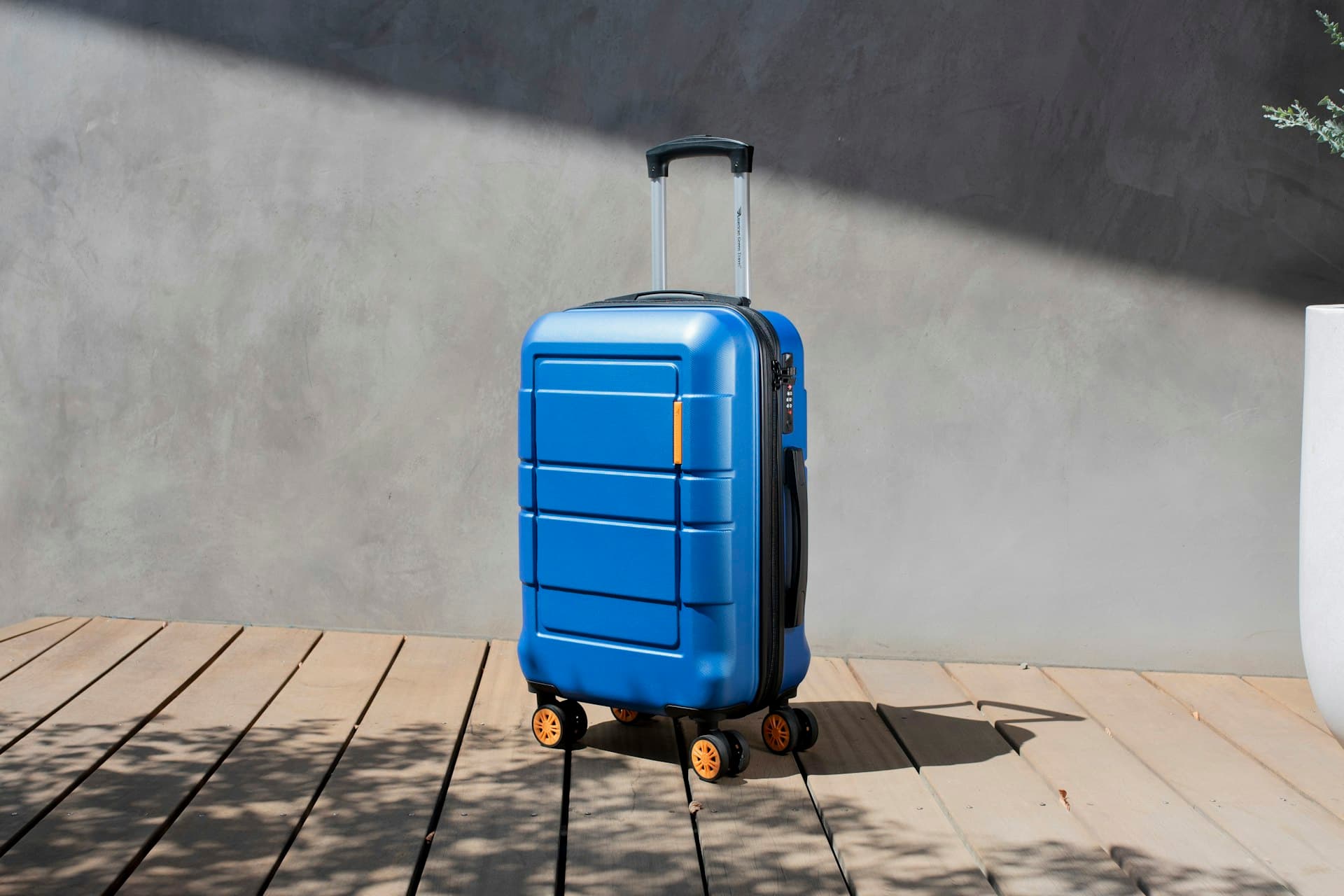
Best checked luggage
Durability, expansion and how airline weight limits really work.
 Brand duel
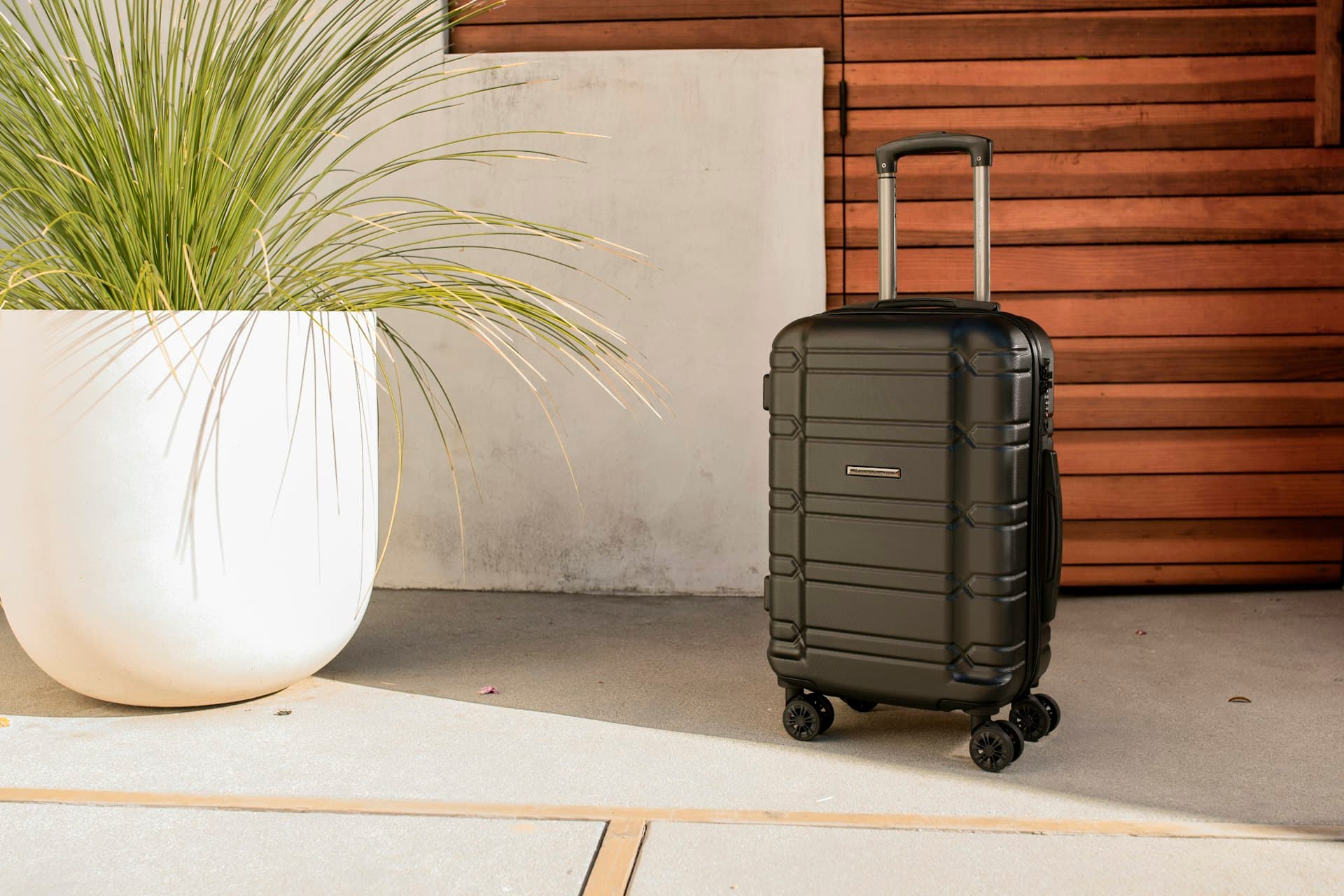
Samsonite vs Delsey
Two giants compared on materials, warranty and real-world wear.