Best checked luggage: what actually matters
Updated September 2026
Quick answer
A practical guide to choosing checked luggage — weight limits, durability, expandability, and how to avoid overweight-bag fees.
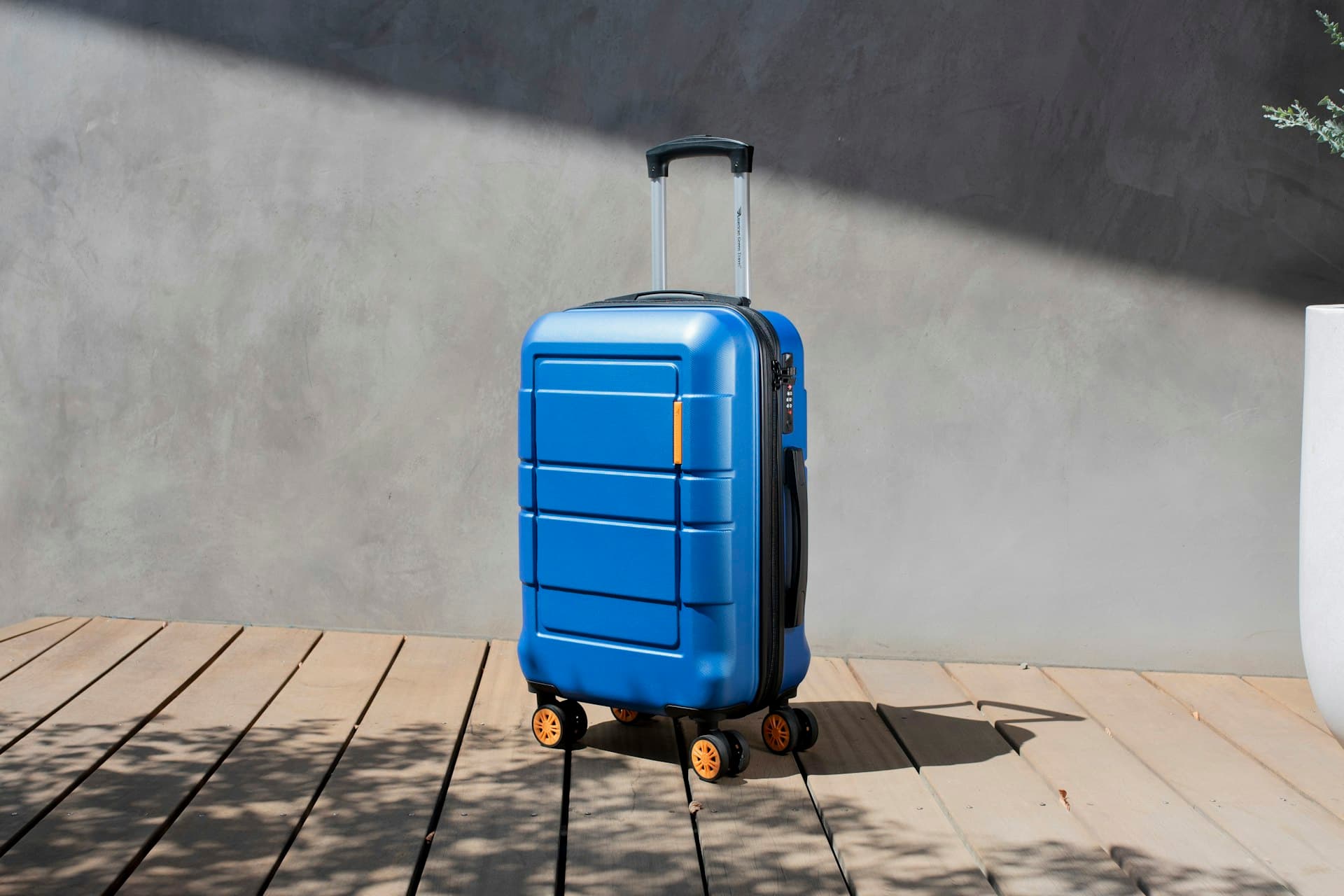
A checked bag has one job the carry-on doesn't: survive baggage handling. That changes what to prioritize when you're shopping, and it's different from picking a carry-on.
1. Weight limit math — including the bag itself
Most international carriers cap checked bags at 23 kg (50 lb) per piece in economy; some US domestic fares and premium cabins allow 32 kg (70 lb). A large hardside checked bag can weigh 4.5–6 kg empty — meaning on a 23 kg allowance, the suitcase itself can eat 20–25% of your limit before you've packed anything. If you're a heavy packer, a lighter-weight shell buys you real packing capacity, not just a lower number on the box.
Overweight fees are steep and non-negotiable at the counter — typically $75–$200 (or the airline's local-currency equivalent) per bag, charged on the spot. A luggage scale (cheap, and small enough to pack) is one of the highest-value purchases you can make alongside the bag itself.
2. Durability over looks
Checked bags get thrown, stacked, and dragged across tarmac by conveyor systems — they take far more abuse than a carry-on you keep within arm's reach. Reinforced corners, recessed (rather than protruding) wheels, and a metal (not plastic) telescoping handle frame all matter more here than they do for a carry-on. Read reviews specifically for "checked" or "large" sizes — a brand's carry-on and checked lines don't always share the same hardware quality.
3. Expandable capacity
An expandable checked bag typically adds 5–8 cm of depth — genuinely useful for a one-way move, a long trip, or bringing souvenirs home. The tradeoff: expanded, the bag may exceed some airlines' linear-dimension limits for checked luggage (typically around 158 cm / 62 in, L+W+H combined), which can trigger an oversized-bag fee even if the weight is fine. Check both limits if you plan to travel expanded.
4. Wheels and handle
Four-wheel spinners are easier to push through a crowded arrivals hall one-handed, especially with a large, heavy bag. Look for wheels that are recessed into the shell rather than bolted onto the outside — exposed wheel housings are the single most common failure point on checked luggage after repeated baggage-handler drops.
5. Size categories
"Medium" checked bags (roughly 24–26 in / 61–66 cm) suit trips of about a week; "large" (28–30 in / 71–76 cm) suit two weeks or more, or checked-baggage-only travelers. Going larger than you need just adds empty weight you're carrying (and often paying to check) for no benefit.
Where to start looking on Amazon
Reinforced corners and recessed spinner wheels — built for the rougher handling checked bags take. Also sold in 20" and 24" sizes.
A lighter-weight hardshell option, useful if empty weight is what's eating into your allowance (see point 1 above).
As an Amazon Associate we earn from qualifying purchases. These links go straight to the specific product on Amazon.
Compression works in a checked bag too — not to fit more into a fixed weight limit (it doesn't reduce weight), but to fit more clothing into the same volume, which matters most if you're packing for a long trip. See our TravelPack Vacuum Kit Pro review.
The bottom line
For checked luggage, prioritize empty weight and hardware durability over styling — the bag will be handled far more roughly than a carry-on, and every kilogram of shell weight is a kilogram you can't pack.
Sources
- Published baggage policies from major international carriers (checked-bag weight and linear-dimension limits, cross-referenced across United, Delta, American, British Airways, Lufthansa, and Emirates).
- See also our Samsonite vs Delsey comparison for brand-specific build-quality and warranty differences.
LuggageSearch is reader-supported. This page may contain affiliate links — see our disclosure. Airline policies change: always confirm on the airline's own site before flying.
Keep reading
 Gear review
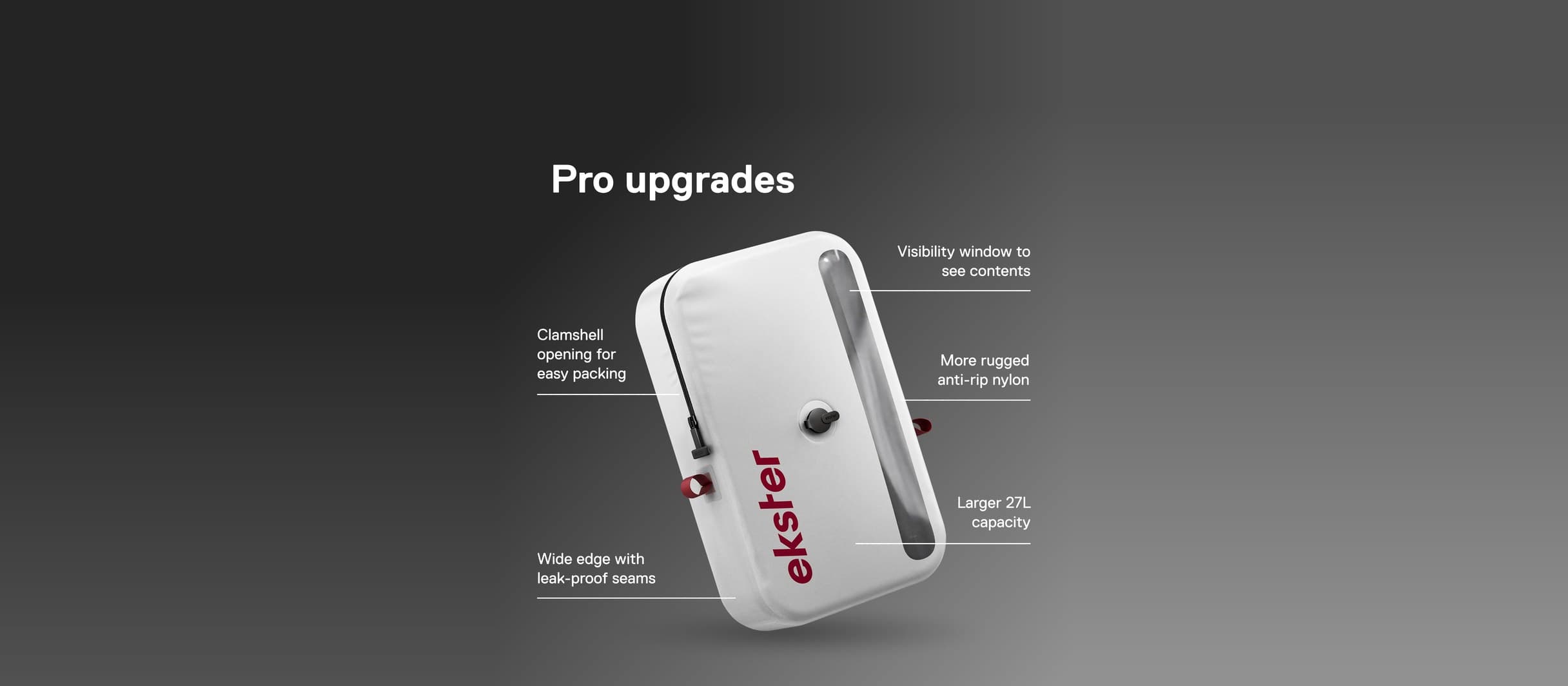
Ekster TravelPack Vacuum Kit Pro review
A Red Dot Award-winning compression kit — what its 70%-more-space claim actually means for a carry-on.
 Carry-on
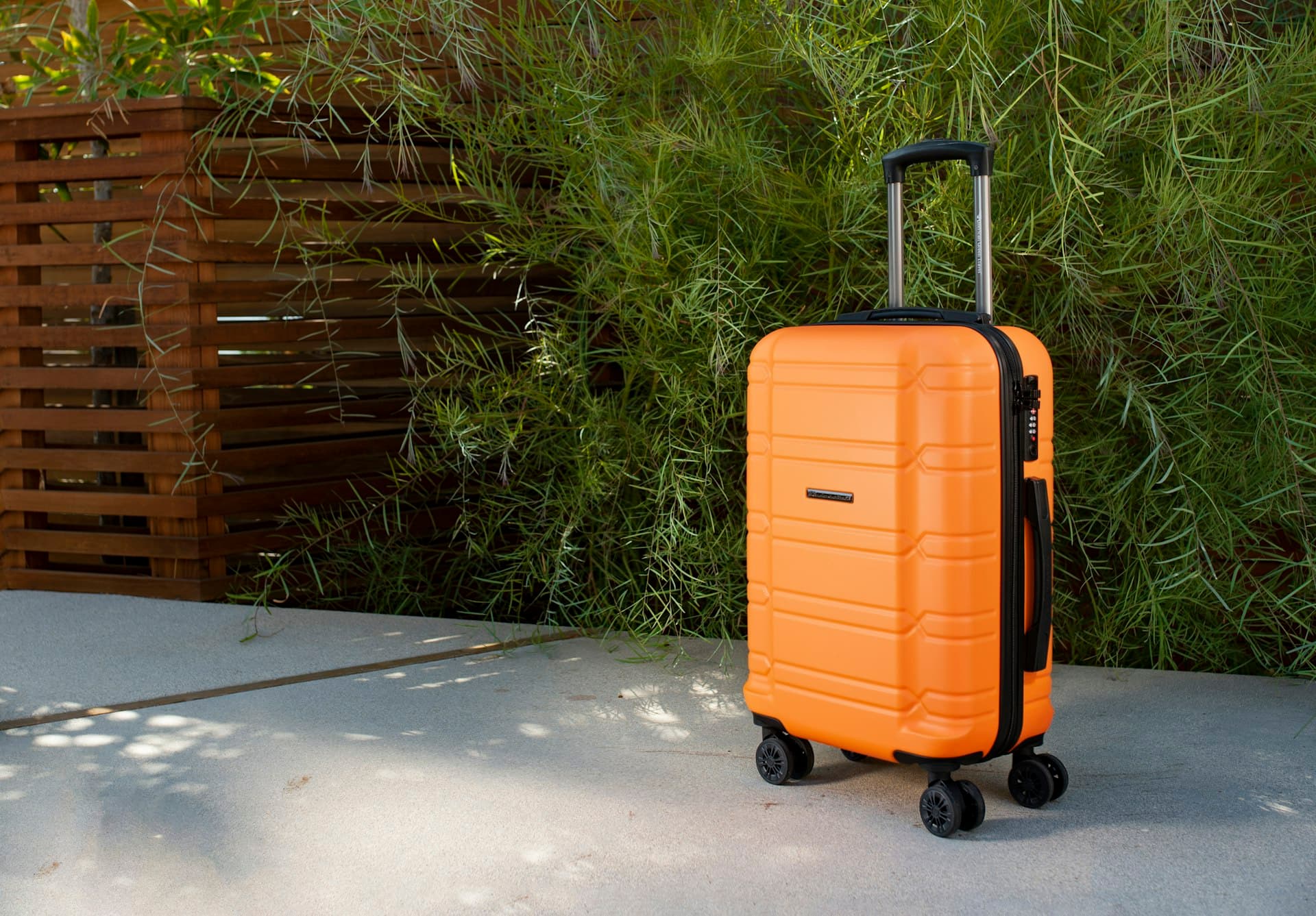
Best carry-on luggage
Size, weight, shell, wheels — the four decisions that matter, in order.
 Brand duel
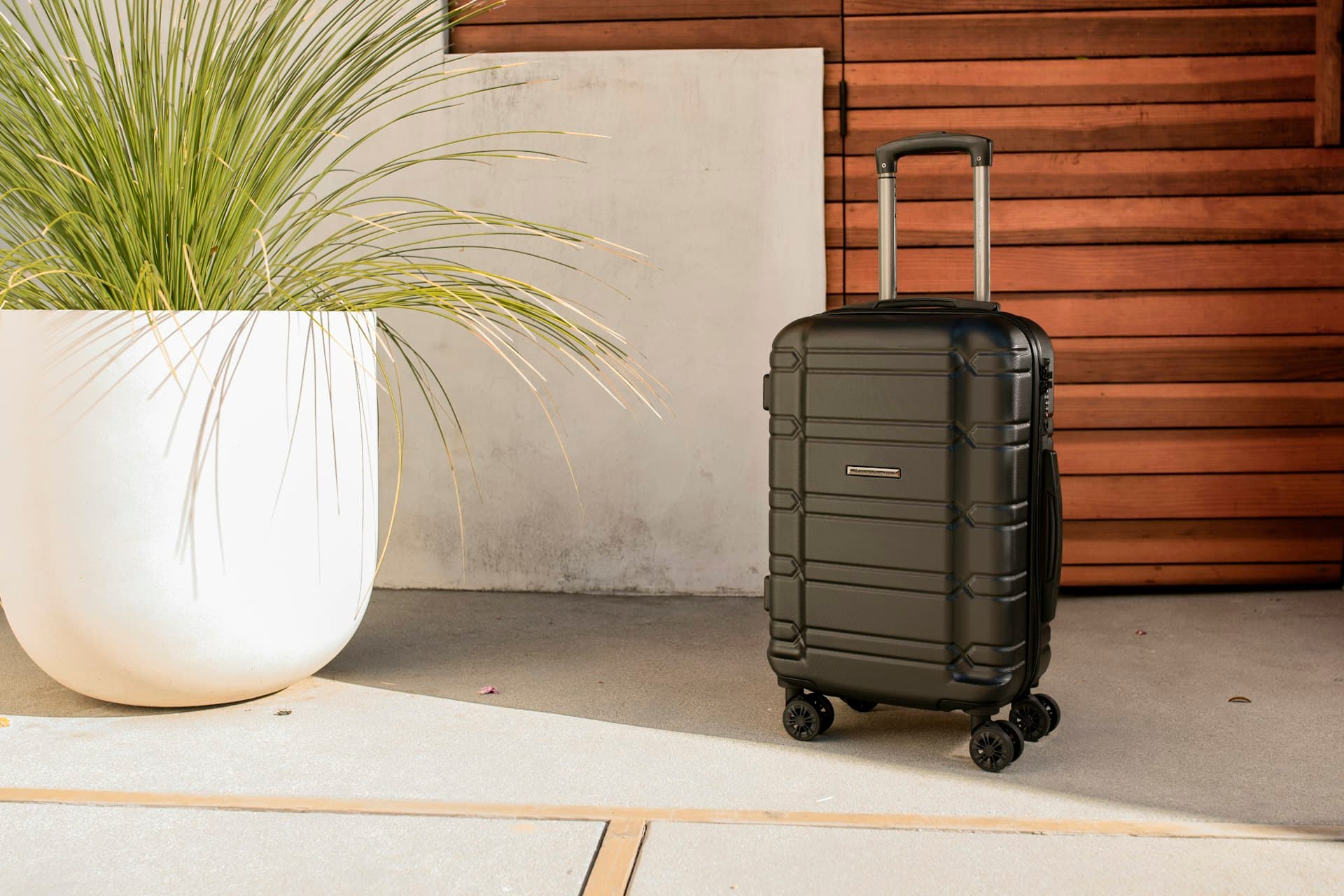
Samsonite vs Delsey
Two giants compared on materials, warranty and real-world wear.